2026.3 KENDOJIDAI
Photography: Nishiguchi Kunihiko
Interview: Yoshinari Seidai
*Unauthorized reproduction or use of any images in this article is strictly prohibited.
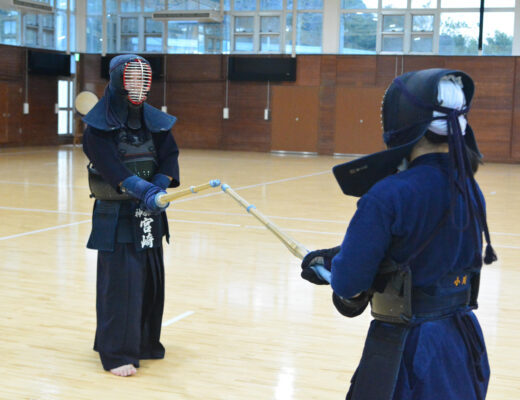
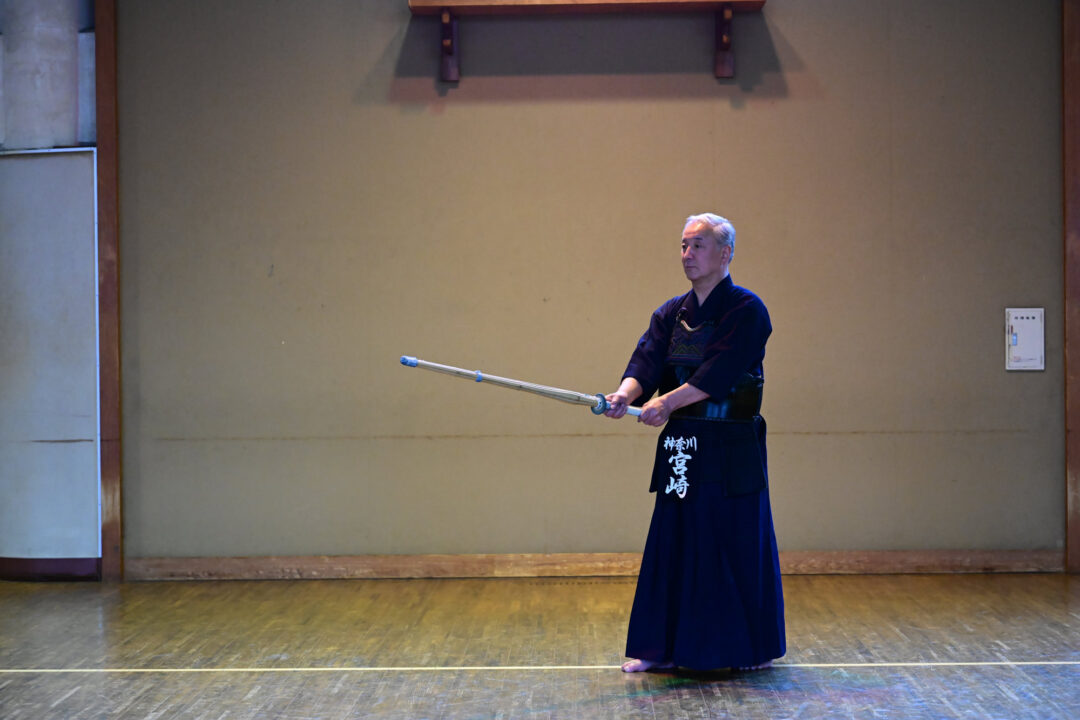
Miyazaki Masahiro, Hanshi 8th Dan (Honorary Chief Instructor of Kendo, Kanagawa Prefectural Police), has achieved an unparalleled record, including six titles at the All Japan Kendo Championship, six victories at the National Police Kendo Championship, and four team championships at the World Kendo Championships, as well as an individual world title.
Drawing on more than fifty years of experience in Kendo, he presents in full the methods, innovations, practical approaches, and thought processes he has cultivated throughout his career.
Miyazaki Masahiro
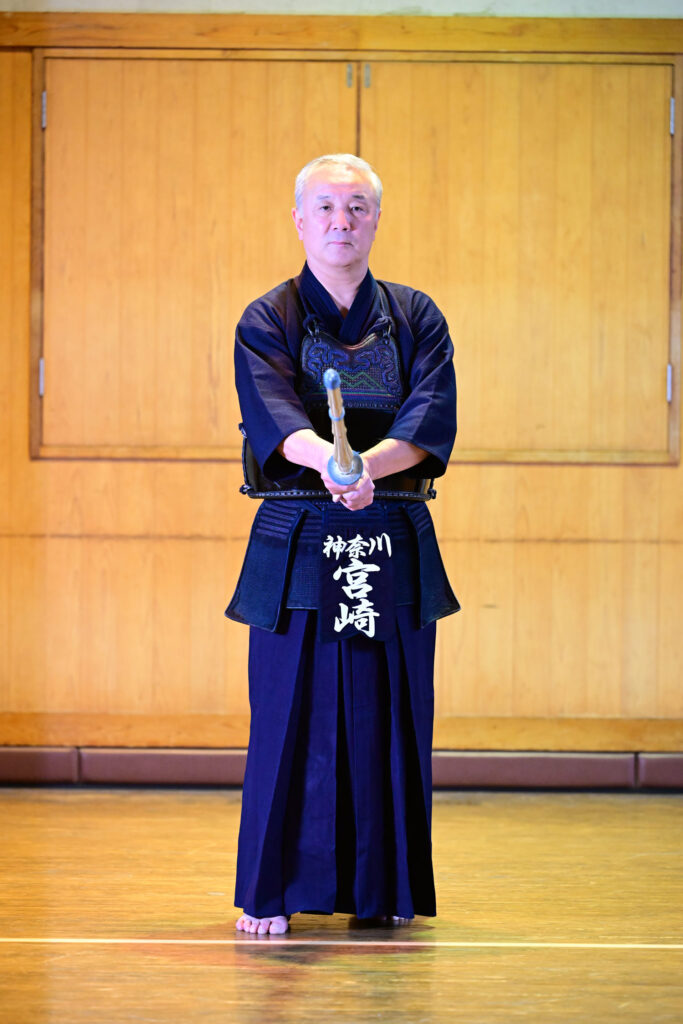
He has compiled an exceptional competitive record, including six victories at the All Japan Kendo Championship, four team titles and an individual title at the World Kendo Championships, team and individual championships at the National Police Kendo Tournament, victory at the All Japan Invitational 7th Dan Championship, and victory at the All Japan Invitational 8th Dan Championship. He served as Head Coach of the Japan Women’s National Team at the 15th through 17th World Kendo Championships. He is currently Honorary Chief Instructor of Kendo for the Kanagawa Prefectural Police, Vice Chair of the All Japan Kendo Federation Strengthening Committee, and holds the rank of Hanshi 8th Dan.
Always Warm Up Thoroughly to Avoid Long-Term Injury
— After graduating from the Kanagawa Prefectural Police Academy, you were appointed as a Kendo Special Training Officer (Tokuren) of the Kanagawa Prefectural Police in 1983, marking the start of your competitive career with the aim of becoming Japan’s best. With what kind of mindset did you approach your daily Keiko?
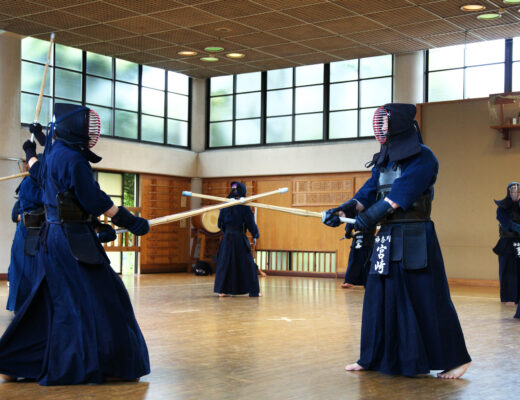
I approach Keiko with the belief that “the first exchange (Shodachi) is everything,” always aiming to be able to give 100 percent from the very start. That isn’t possible unless the body is fully prepared, so I took warm-ups seriously and approached them with the same intensity as training itself.
The primary purpose of warming up is, of course, to build a body that does not get injured. But just as important is preparing a body that can actually move. I always trained with these two objectives in mind.
There is also a personal standard for warm-ups. In summer, I would warm up until I was sweating, and in winter, until my body was fully warm. That was the mindset I maintained. Because of this, now that I am in a teaching position, I consistently emphasize the necessity and importance of proper warm-ups.
During our time as Tokuren, even though we did warm-ups, there was no concept of cool-down exercises. Today, there are opportunities to receive specialized guidance from professional trainers, but such opportunities did not exist for us back then.
After I was appointed head coach of the Tokuren, I instructed the athletes to carry out cool-down exercises promptly after the end of training and after receiving guidance from the senior instructors, and then to take a shower. After practice, it is easy to relax and become absorbed in conversation with fellow trainees, but continuing to do so causes the body to cool down. Casual conversation should come after the shower. Thorough self-management is also an essential quality for Kendo special training officers, and this is closely connected to their overall daily lifestyle.
In our day, we didn’t even do stretching. Looking back, it’s remarkable that we were able to continue without major injuries. That said, even from my time as a Tokuren officer, I always made sure to do warm-ups thoroughly. I stretched my Achilles tendons and loosened my arms and legs so that I could approach Keiko in optimal physical condition.
Thanks to this, when I was younger I had no knee or elbow injuries, and I paid especially close attention to preventing leg injuries, particularly Achilles tendon ruptures. This was because I was always conscious of “jumping” in my Keiko, which inevitably placed a heavy load on my left leg. I made attacking from long distance with a jump one of my strengths, so injuring my Achilles tendon would not only have meant a long-term absence but would also have prevented me from practicing Kendo in my true style.
For that reason, I always made a point of working carefully on my Achilles tendons during warm-ups. Even now, as an instructor, “Stretch your Achilles tendons” has become a habitual phrase of mine. In All Japan Kendo Federation training programs as well, I made sure that athletes stretched their Achilles tendons before Kakari-geiko and even while waiting their turn.
Perhaps because of this, I never once injured my Achilles tendons or suffered similar problems during my years as a Tokuren officer, and I was able to continue my competitive career for 19 years. Warm-ups are extremely important, and even today, when I cannot secure enough time for them, I restrain my desire to practice and limit myself to observing keiko rather than forcing my body into training.
Learn the Ideal Form Through Suburi, Then Strike the Target With That Form
The rest of this article is only available for Kendo Jidai International subscribers!