KENDOJIDAI 2026.1
Photography: Nishiguchi Kunihiko
*Unauthorized reproduction or use of any images in this article is strictly prohibited.
Training is something everyone recognizes as important. However, in reality, many people never put it into practice because the barriers feel high, such as not having enough time or not having enough space.
If you simply arrive at the dojo 30 minutes earlier, you can complete highly effective training. Use your time wisely.
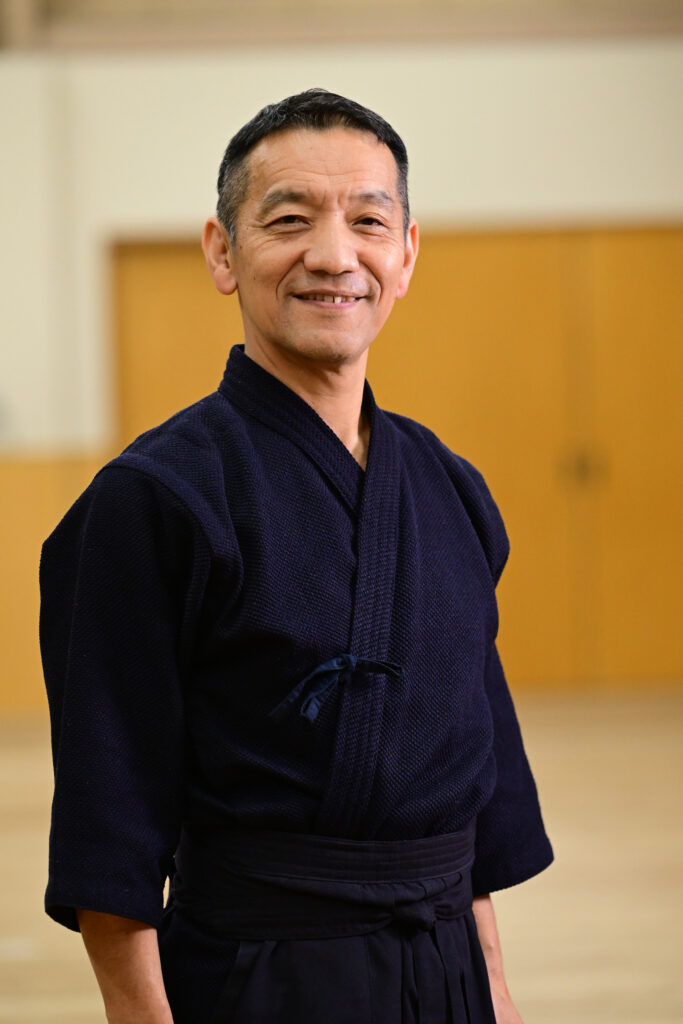
Takahashi Kentaro, Professor at Kanto Gakuin University
Rapid Decline After 40
The Muscles You Must Strengthen Are in the Legs and Hips
In Kendo, there is a well known teaching: “Do not strike with your hands. Strike with your feet. Do not strike with your feet. Strike with your hips.” This reflects the fundamental importance of the lower body. For adult practitioners who have limited opportunities to train, conditioning is essential in order to practice comfortably and sustainably.
When people hear the word training, they often imagine going to a gym and spending long hours on strength training or aerobic exercise. Certainly, if one can secure that kind of time, it helps create an ideal training environment. However, it is also possible to strengthen the muscles of the legs and hips through small adjustments in daily life. If these muscles are not properly conditioned, the risk of unexpected injury increases, potentially forcing one to stay away from Keiko for an extended period.
Unfortunately, it is well established that muscle strength in the legs and hips declines rapidly from the 40s into the 50s. By the 70s, it typically falls to about 40 percent of the level seen in the 20s. This loss of strength causes movement to become more uniform and reduces the ability to respond to sudden or unexpected actions. Furthermore, it is often said that when strength around the hip joint declines, the aging process accelerates significantly.
A reduction in the muscles surrounding the hip joint leads to instability in walking and a decline in balance, greatly increasing the risk of falls. In older adults, this is most often due to natural age related muscle loss. Strengthening the muscles around the hips is therefore essential for preventing falls, and it goes without saying that this is also highly beneficial for Kendo practice.
Walking is one of the most effective and accessible ways to strengthen the legs and hips. In addition to physical benefits such as weight control, improved cardiovascular function, and prevention of lifestyle related diseases, walking also offers mental benefits, including stress relief and improved sleep quality.
A commonly recommended guideline is 8,000 steps per day, including 20 minutes of brisk walking. For an adult male, 8,000 steps correspond to approximately 6 kilometers. The brisk walking does not need to be continuous. Like interval training, it can be done in segments, walking faster for a certain distance and then returning to a normal pace. The key is to maintain a sustainable and manageable rhythm.
What matters most is maintaining a constant awareness of strengthening the legs and hips. In daily life, the upper body is naturally engaged in many activities, but the lower body is often underused. Those who alternate between commuting by car and by train will clearly notice the difference in daily step count. Without a conscious effort to train the lower body, strength will gradually decline. Developing the habit of intentionally maintaining and strengthening the legs and hips is essential.
Do Not Waste Time
Arrive at the Dojo 30 Minutes Early
The rest of this article is only available for Kendo Jidai International subscribers!