KENDOJIDAI 2026.2
A Talent Recognized in Her Final Year of High School
Selected for National Team Training Camp
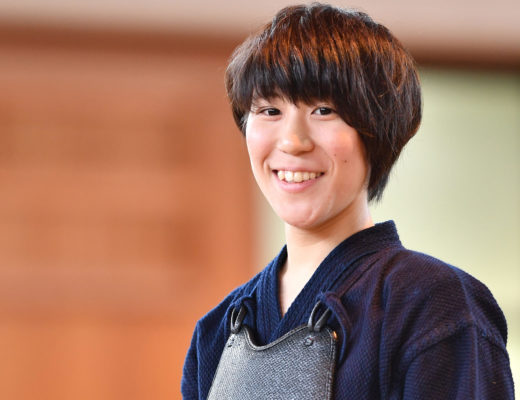
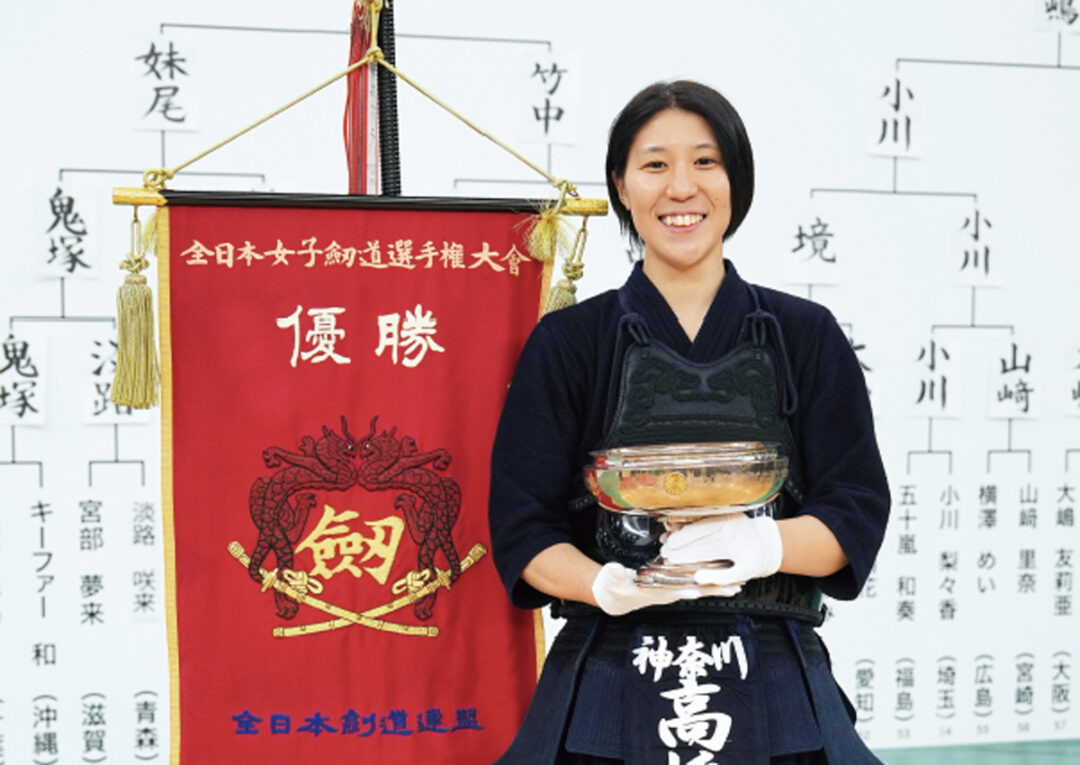
The first time I saw Takahashi Moeko compete was at the 2008 National Junior High School Championships in Toyama, when she was in her third year at Tsubame Junior High School. She placed second in the individual competition and, as Senpo in the team event, led her team to victory. My initial impression was simply, “She’s strong.” I felt that if she were further refined at the high school level, she would become even stronger.
The next time I saw her was at the Inter-High during her third year at Moriya High School, and her abilities had been sharpened even further. Her Kendo could be described in one word: “rapid attack.” She possessed exceptional speed and explosiveness. On that occasion, she won both the team and individual titles, becoming the best in Japan in both categories.
At the time, I was serving as head coach of the Japanese women’s team for the World Kendo Championships. Watching her performance that day, I instinctively felt that she could compete at the world level. I immediately informed Asano Osamu Sensei, then Chairman of the All Japan Kendo Federation’s Strengthening Committee, that I wanted to invite her to a national training camp. I also spoke with Tsukamoto Koichi Sensei, her coach at Moriya High School at the time, who was delighted—something I still remember clearly.
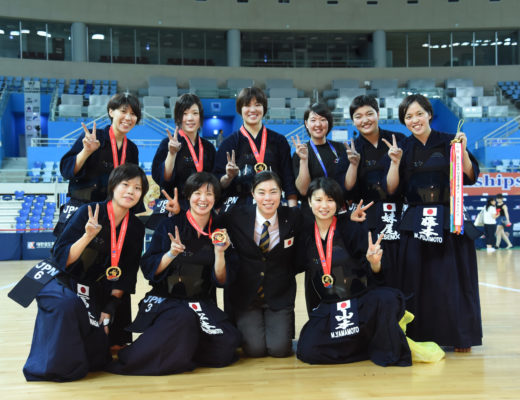
She joined the national team training camp that September, and the following year was selected for the World Kendo Championships (held in Novara, Italy, during her first year at Hosei University). She contributed to the team’s victory and played a key role as Senpo in the final. It had only been nine months since I first approached her at the Inter-High—her rise was remarkably swift.
After that, she went on to win both the All Japan Women’s Student Team and Individual Championships at Hosei University, and expressed her wish to join the Kanagawa Prefectural Police, to which I also belong. At the time, due to my position as head coach of the Japanese women’s national team, I had refrained from actively recruiting her, so I was genuinely pleased when I heard of her decision.
At the same time, I felt a strong sense of responsibility as a coach—having such a talented athlete join meant that I had to lead her to victory, no matter what. My role was to provide the environment and guidance that would allow Takahashi to perform at her very best. The same holds true for the current members of the women’s special training squad.
As a general rule, I did not offer overly detailed instruction. I believe that if a player’s strengths are nurtured and allowed to flourish, truly capable athletes will continue to develop on their own.
However, during the World Championship training camps, there was one thing I emphasized strongly.
The rest of this article is only available for Kendo Jidai International subscribers!