2011.3 KENDOJIDA
Photography by Tokue Masayuki
Kendo is something that can be started at any age, continued throughout one’s life, and enjoyed through training (keiko) with people of all ages. Its appeal is remarkably diverse. Depending on one’s mindset and understanding of Kendo principles and techniques, each practitioner can pursue challenges suited to their own goals and achieve personal growth and fulfillment. Kendo offers limitless opportunities for exploration and development, both in breadth and depth.
I believe this is precisely why Kendo is a traditional physical culture that Japan can proudly share with the world. However, if we are going to practice Kendo, we naturally want to improve our skills, even if only little by little.
It is widely understood that improvement requires practice. However, simply putting on our men and working up a sweat is not enough. Practicing incorrectly will only lead to the development of bad habits. It is therefore important to set clear goals and approach training with a clear vision of how to progress toward them.
First, I would like to examine how we should approach our daily practice. I believe that keeping the following points in mind during regular keiko will help make our training more focused, meaningful, and effective.
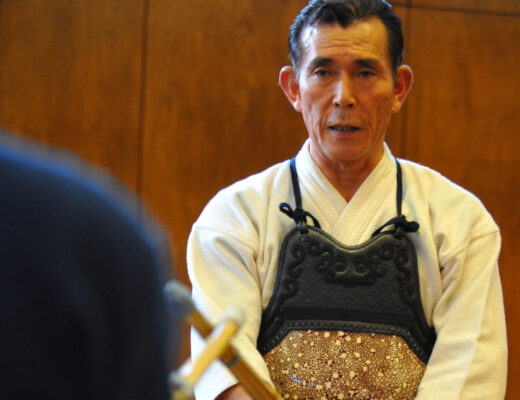
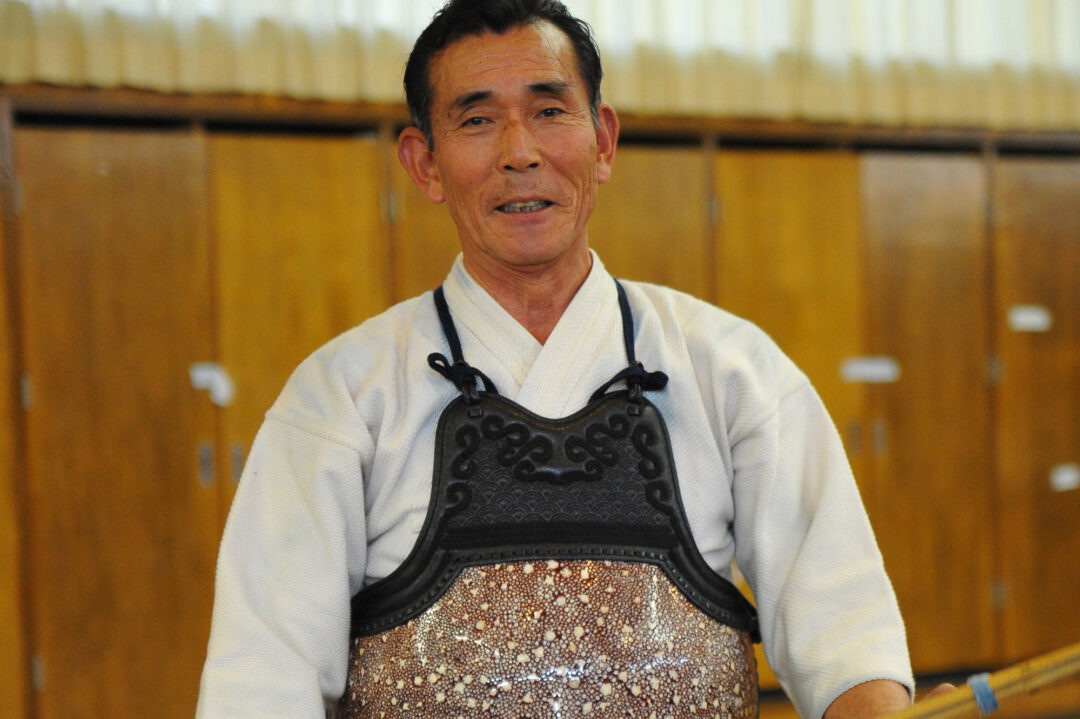
Sumi Masatake
Born in 1943 in Fukuoka Prefecture. After graduating from Chikushigaoka High School, he entered Fukuoka Gakugei University (now Fukuoka University of Education). Upon graduation, he became a high school teacher in Fukuoka Prefecture. In 1972, he returned to his alma mater, Fukuoka University of Education, as a research assistant and later became a professor. He retired in 2007. He competed in the National Kendo Tournament for Teachers and Staff and the All Japan East-West Kendo Tournament, and placed third in the Meiji Mura Kendo Tournament.
*This article originally appeared in the March 2011 issue of Kendo Jidai. The profile reflects his career and achievements at the time of publication.
Mastering the Art of Striking in One Breath Through Suburi
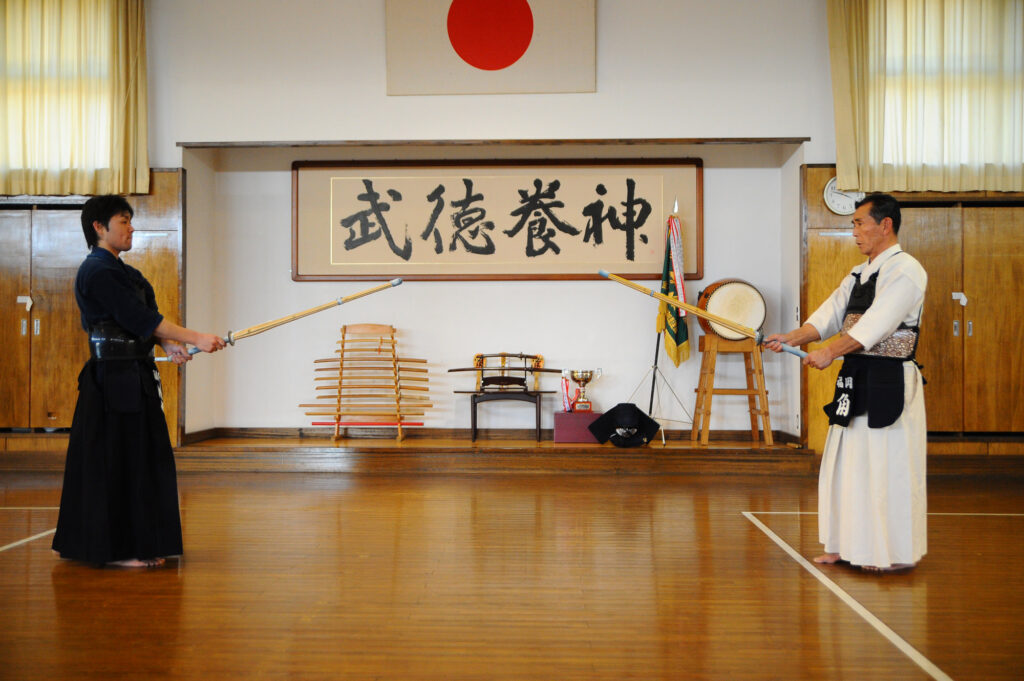
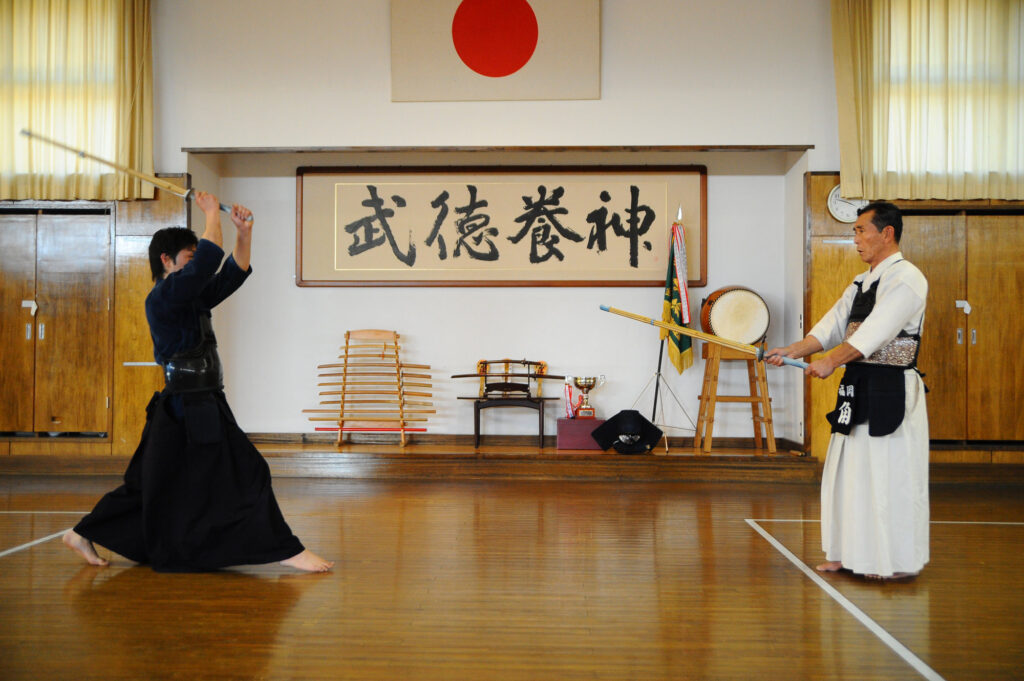
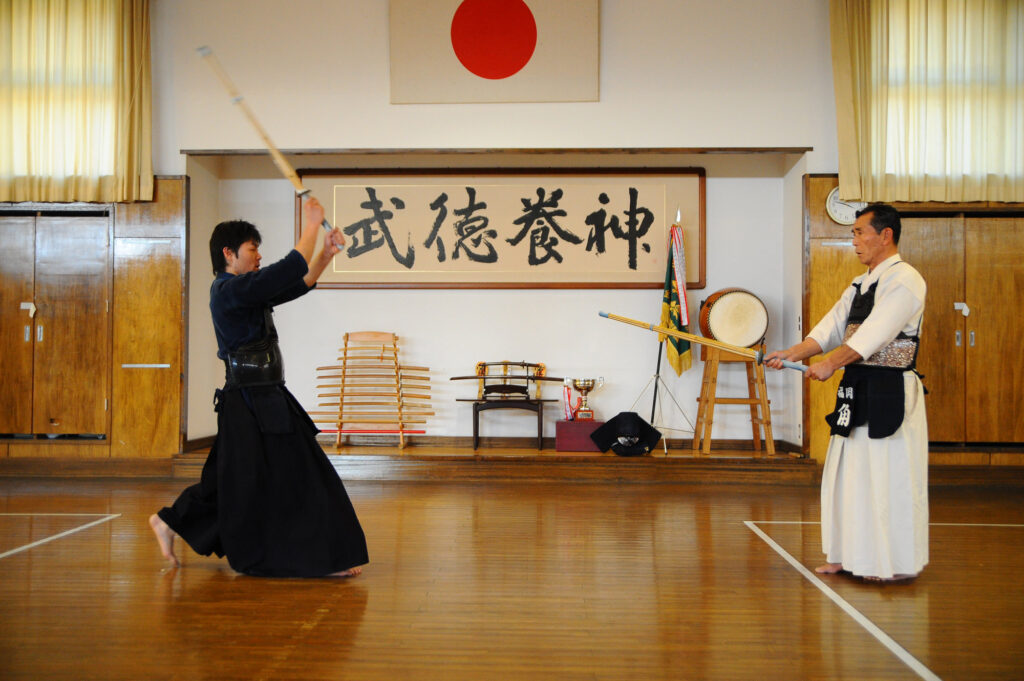
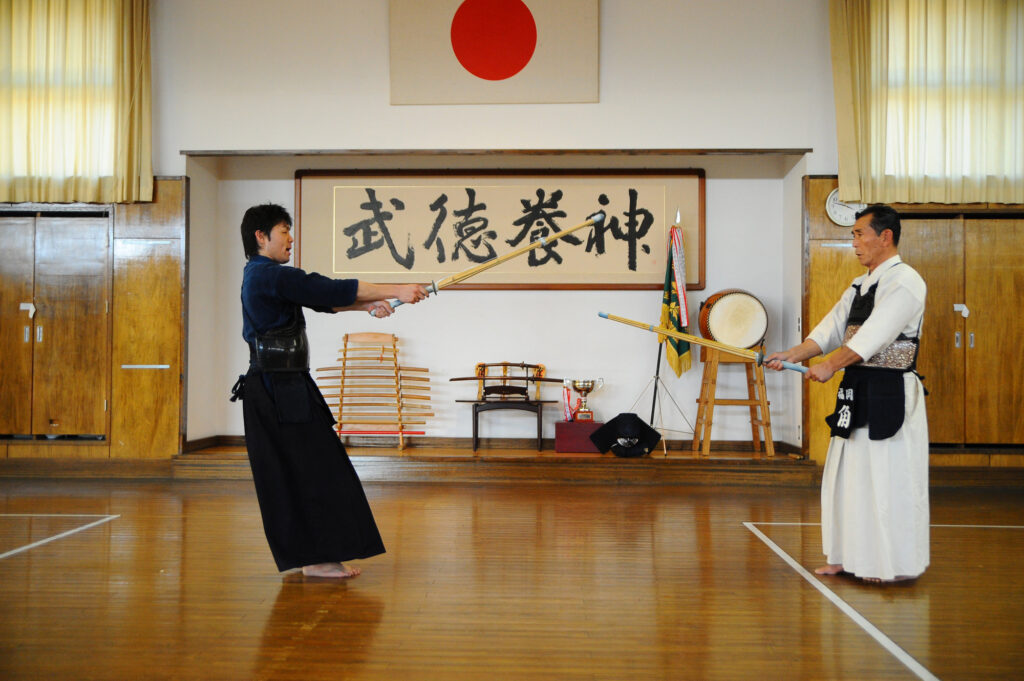
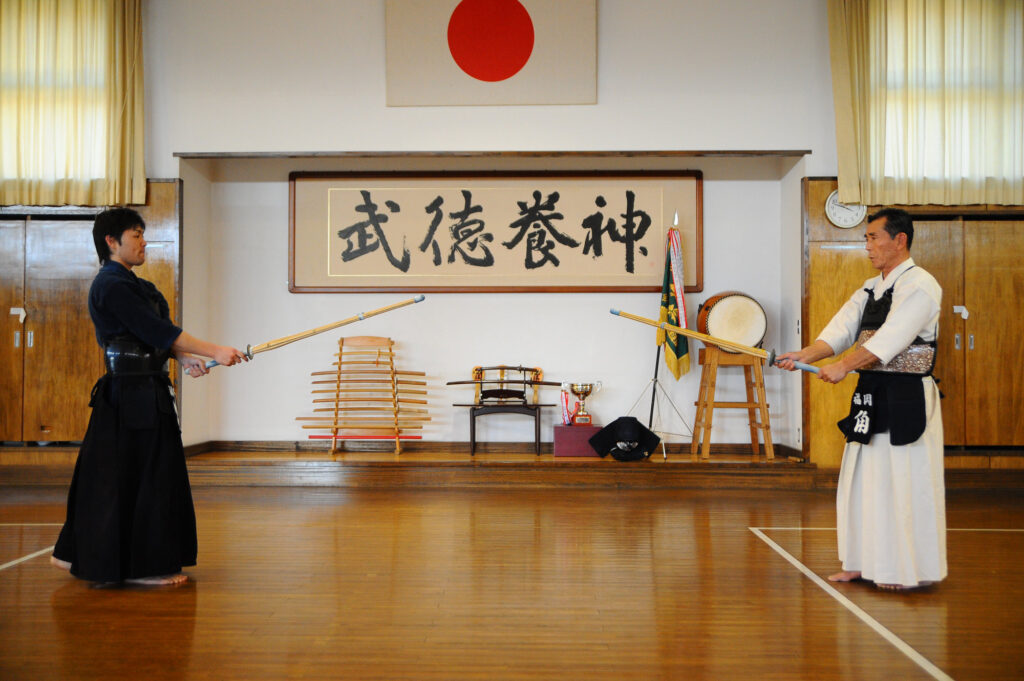
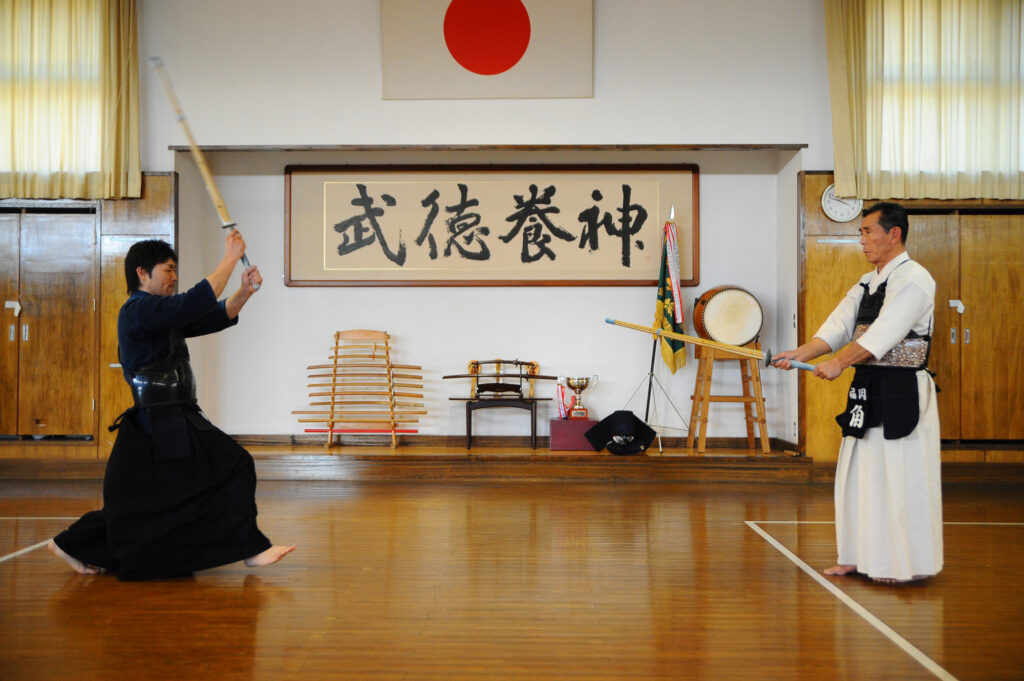
Suburi is one of the most common forms of individual Kendo training. The fundamental swinging movements that form the basis of striking techniques are limited to vertical and diagonal swings. In practice, however, practitioners often perform shomen swings, or strikes, in the air.
Suburi should not be treated merely as a physical exercise aimed at increasing the range of motion in the shoulders, elbows, and wrists or building upper-body strength through repetition. Intermediate and advanced practitioners, in particular, should approach each swing with careful attention to the coordination of the arms, legs, and trunk, as well as the rhythm of striking in one breath and correct blade alignment (hasuji).
If you inhale while raising the shinai and exhale while bringing it down, the movement becomes a two-beat action. This makes it difficult to develop an explosive, sharp strike from a state of readiness (tame).
Instead, initiate the movement from the trunk while exhaling slightly, focusing on raising the shinai sharply. The downward swing should be smooth and extended, allowing the shinai or bokuto to move freely. At the same time, pay particular attention to synchronizing the forward step of the right foot and the immediate follow-up of the left foot with the movement of the shinai.
At the completion of each swing or strike, you should feel a sense of firmness in the lower abdomen. Through repeated practice, this will help develop a body characterized by jokyo-kajitsu—relaxation in the upper body and stability and strength in the lower body.
It is also beneficial to incorporate suburi that involves pushing off the floor with the feet.
Suburi can easily be practiced without going to the dojo. The important thing is to practice consistently, even if only a little at a time.
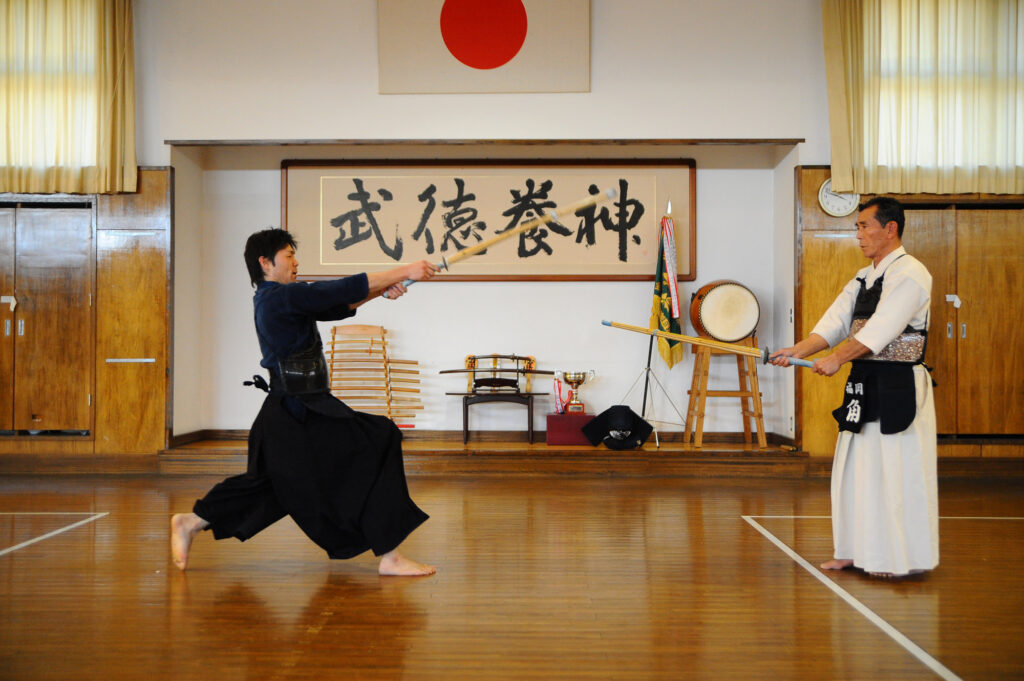
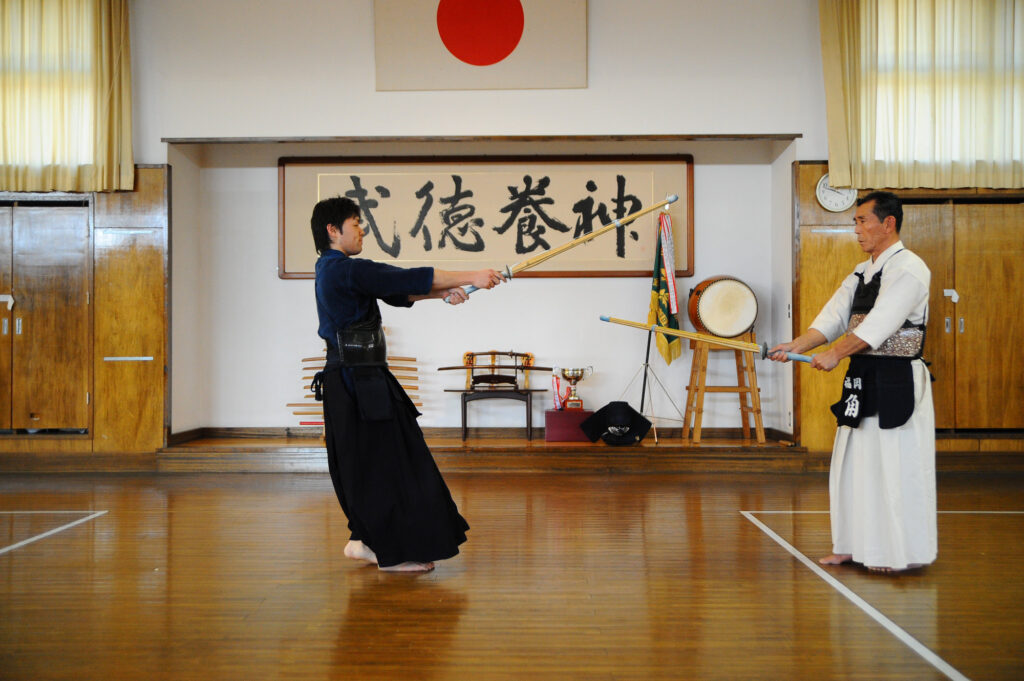
Developing Jokyo-Kajitsu Through Kirikaeshi and Uchikomi
The rest of this article is only available for Kendo Jidai International subscribers!