2011.3 KENDOJIDA
Photography by Tokue Masayuki
Kendo training must progress from Kendo that relies primarily on physical strength to Kendo that depends on technical ability, and ultimately to Kendo grounded in mental fortitude and courage. Physical strength, technical ability, and mental fortitude are not independent qualities; rather, they must be integrated and expressed as overall Kendo proficiency.
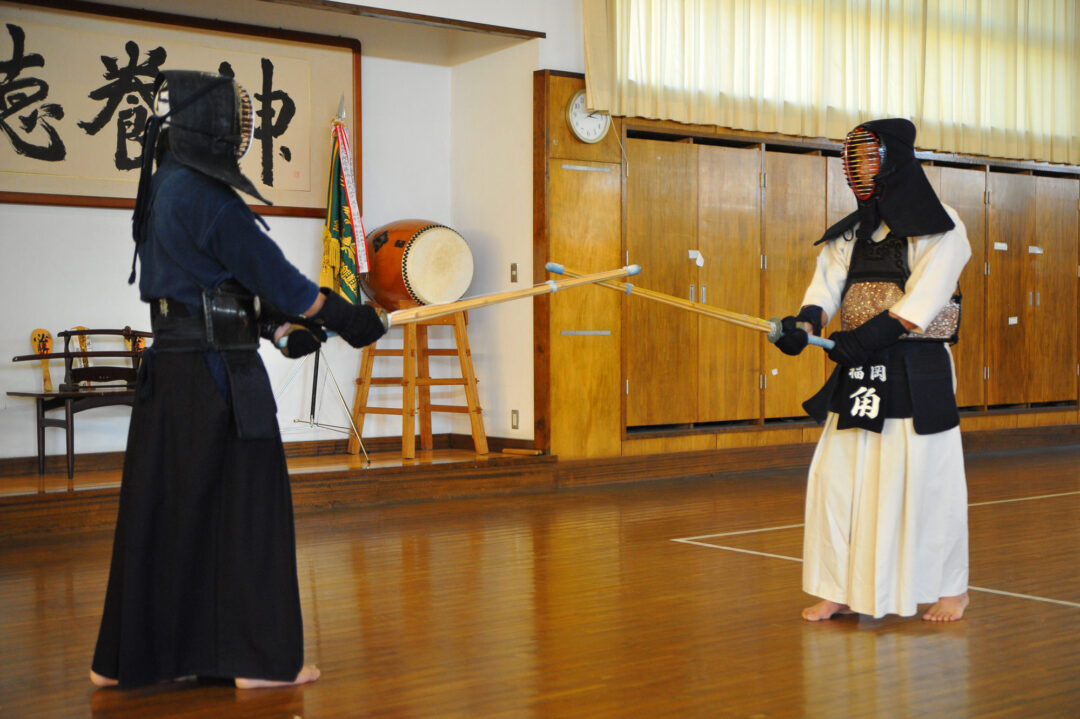
In practical training, it is important to move beyond simply launching one-sided attacks and develop the ability to strike within the dynamic relationship with an opponent, such as striking at the initiation of their movement or taking advantage of openings created when their posture or defenses are broken.
Practitioners should continually refine and study their techniques, progressing from the ability to apply seme, break down the opponent’s defenses, and strike, to drawing out an attack and striking at the moment the opponent begins to move. The next stage is to induce the opponent to attack, then neutralize or counter that attack to deliver a decisive strike.
Solo training is an effective way to support this development. By facing an imaginary opponent, practitioners can create a clear mental image of executing a valid strike.
In actual training, rather than becoming preoccupied with the outcome of whether you struck your opponent or were struck yourself, it is important to reflect on the interaction between you and your opponent throughout the process leading up to the strike.
To develop this ability, begin by clearly visualizing how you would ideally like an encounter to unfold.
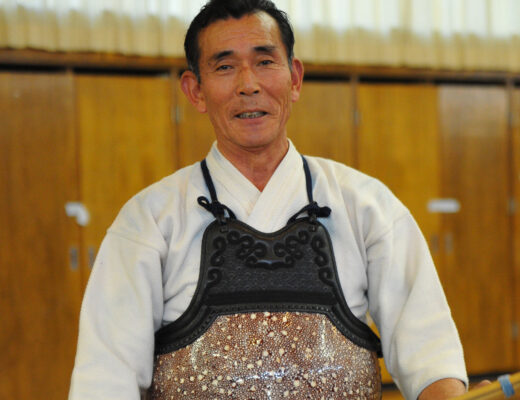
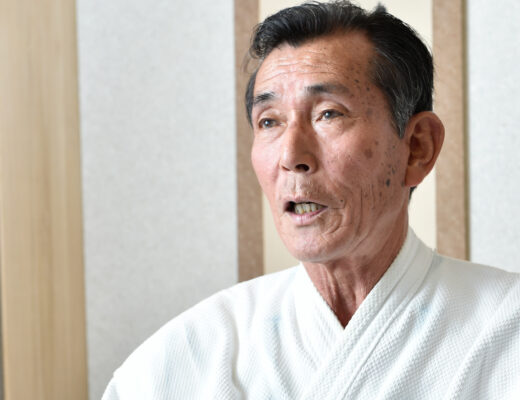
Sumi Masatake
Born in 1943 in Fukuoka Prefecture. After graduating from Chikushigaoka High School, he entered Fukuoka Gakugei University (now Fukuoka University of Education). Upon graduation, he became a high school teacher in Fukuoka Prefecture. In 1972, he returned to his alma mater, Fukuoka University of Education, as a research assistant and later became a professor. He retired in 2007. He competed in the National Kendo Tournament for Teachers and Staff and the All Japan East-West Kendo Tournament, and placed third in the Meiji Mura Kendo Tournament.
*This article originally appeared in the March 2011 issue of Kendo Jidai. The profile reflects his career and achievements at the time of publication.
Initiating an Attack: Striking at an Opening Created Through a Contest of Fighting Spirit
In actual matches, techniques that capitalize on changes in the opponent’s kamae are often successful. Through seme, you may cause the opponent’s kensen to lower, rise, or move to the side, or their hands to lift, creating an opening for a strike.
The rest of this article is only available for Kendo Jidai International subscribers!