2011.3 KENDOJIDA
Photography by Tokue Masayuki
To develop the ability to execute Men, Kote, Do, and Tsuki techniques effectively, it is important to understand what skills must be acquired beyond the basic methods of striking each target. In other words, we must recognize the challenges involved in progressing from fundamental movements to their practical application.
For basic striking movements to become effective techniques against an opponent, they must be combined with efficiency of movement—that is, the ability to produce the maximum necessary effect with the minimum amount of energy.
In shinai handling, it is essential to develop the ability to smoothly transfer the flexible movements of the arms to the shinai. In footwork, important skills include Okuri-ashi, which enables sharp and effective forward pressure, as well as the ability to swiftly move the right foot forward with support from the left foot and execute a powerful Fumikomi. These movements are essential for generating sharp, explosive forward movement of the entire body.
When practicing techniques, it is important to remain conscious of these principles and develop the necessary skills through repeated training.
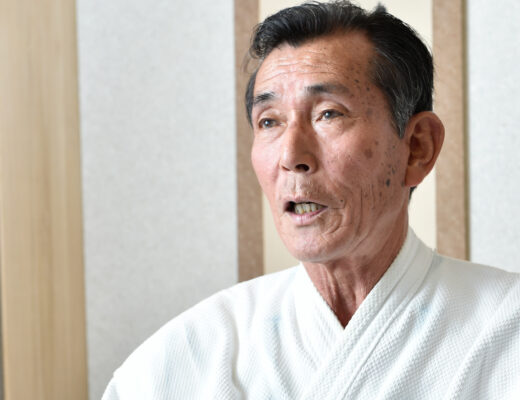
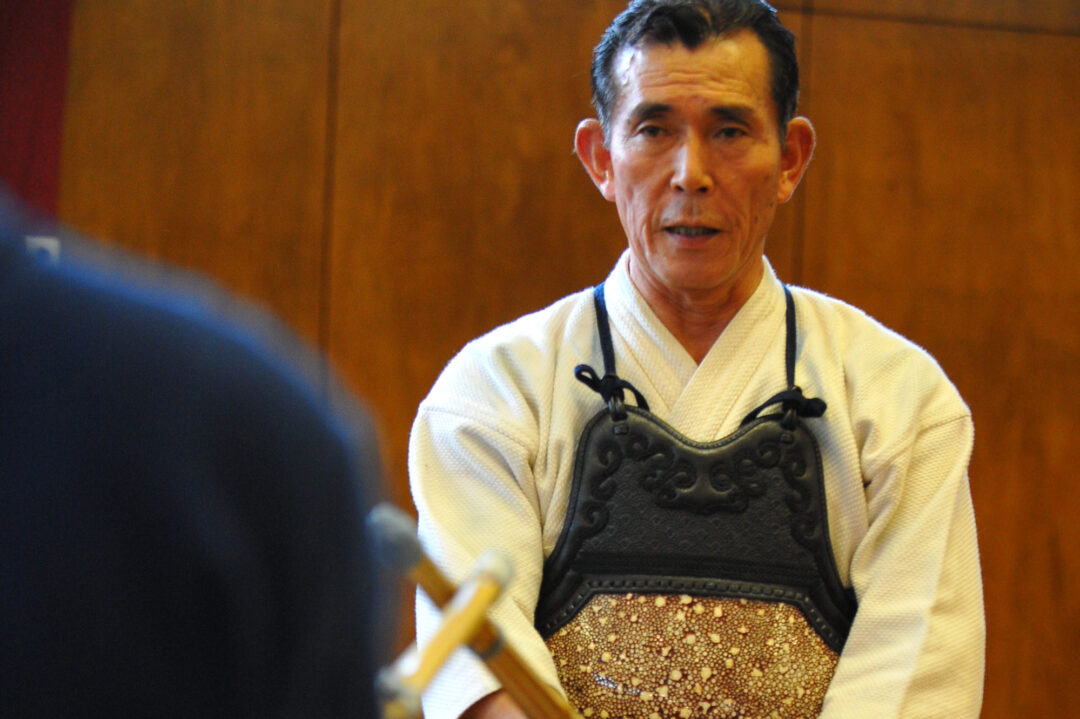
Sumi Masatake
Born in 1943 in Fukuoka Prefecture. After graduating from Chikushigaoka High School, he entered Fukuoka Gakugei University (now Fukuoka University of Education). Upon graduation, he became a high school teacher in Fukuoka Prefecture. In 1972, he returned to his alma mater, Fukuoka University of Education, as a research assistant and later became a professor. He retired in 2007. He competed in the National Kendo Tournament for Teachers and Staff and the All Japan East-West Kendo Tournament, and placed third in the Meiji Mura Kendo Tournament.
*This article originally appeared in the March 2011 issue of Kendo Jidai. The profile reflects his career and achievements at the time of publication.
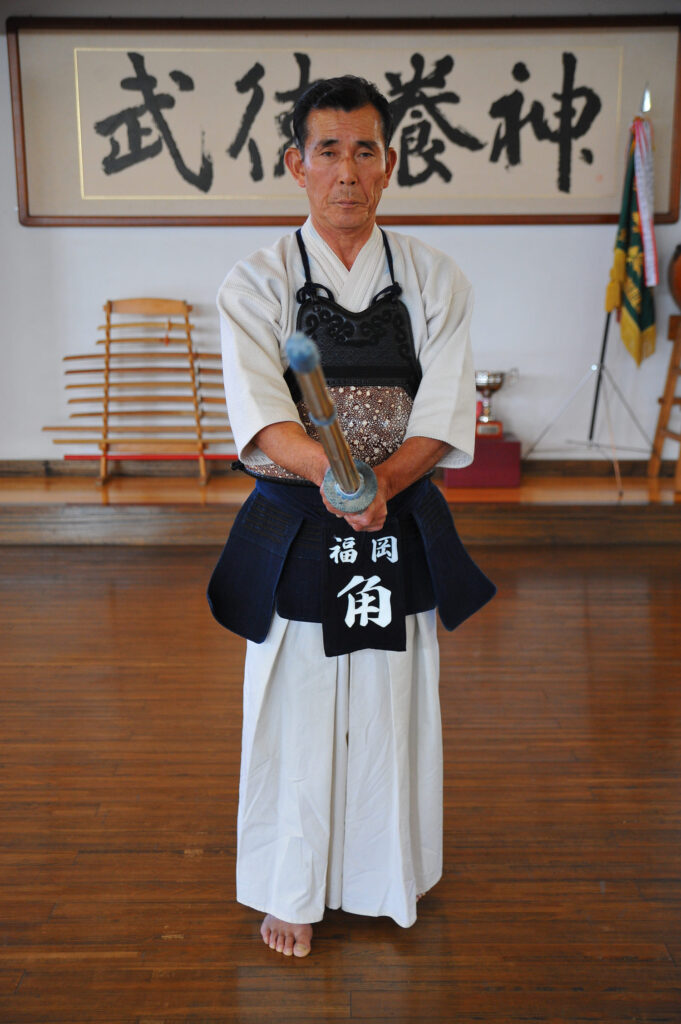
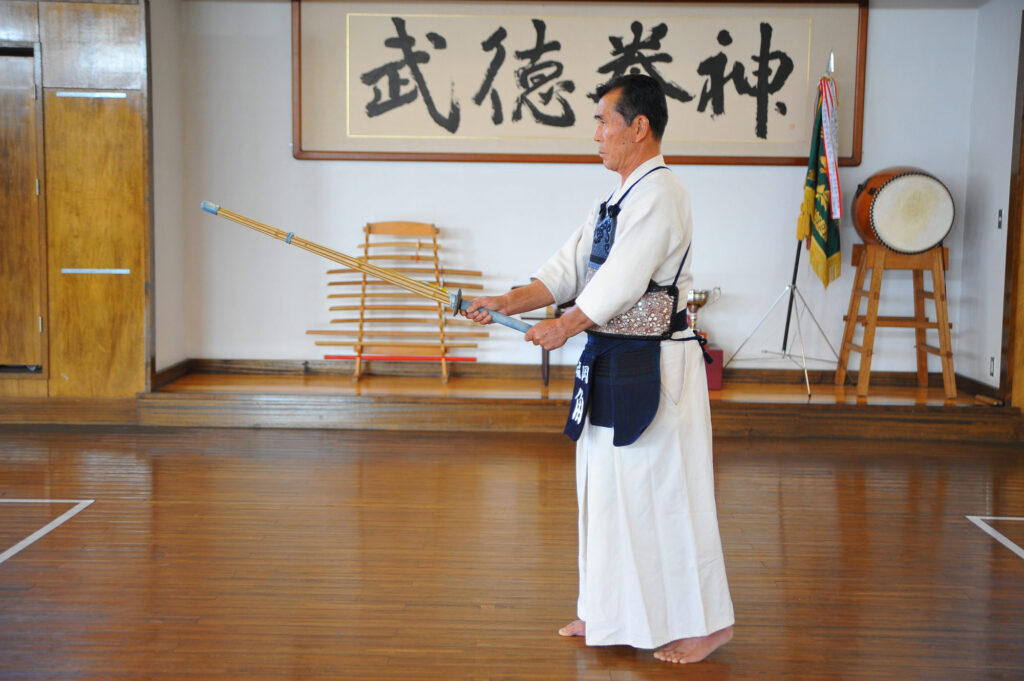
Kamae: Maintain a Relaxed Physical Posture and a Strong Mental Attitude
Taking a kamae is like building a castle. You must be prepared for the opponent’s mental pressure, changes in the position of their kensen, and attempts to close the distance from the front. At the same time, you must overcome weaknesses in your own fighting spirit, which tend to emerge from behind, and guard against the temptation to strike or overpower the opponent, which can arise from the sides.
However, if you become too preoccupied with maintaining a defensive kamae, your stance will gradually widen, and your desire to prevent the opponent from approaching will grow stronger. While this may create a posture suited to defense, it weakens your ability to attack. It is like firmly closing the main gate of a castle.
From such a position, you cannot effectively strike your opponent. It is therefore important to keep your center of gravity slightly behind the center of your stance, allowing your right foot to move freely.
For those aiming to achieve higher Dan ranks, it is also essential to develop the ability to settle and stabilize their inner energy. To cultivate this quality myself, I experimented with ways of projecting my voice so that my exhalation would create a sense of firmness in my lower abdomen.
By projecting my voice in a way that felt as though my navel were turning upward, I began to experience a sensation of my sacrum being pressed inward. As I practiced this, my physical kamae became more relaxed, and I gradually became better able to perceive my opponent.
Even today, I value the mindset of not trying to keep my opponent at a distance, but rather thinking, “You are welcome to come in at any time. However, once you do, I will show no mercy.”
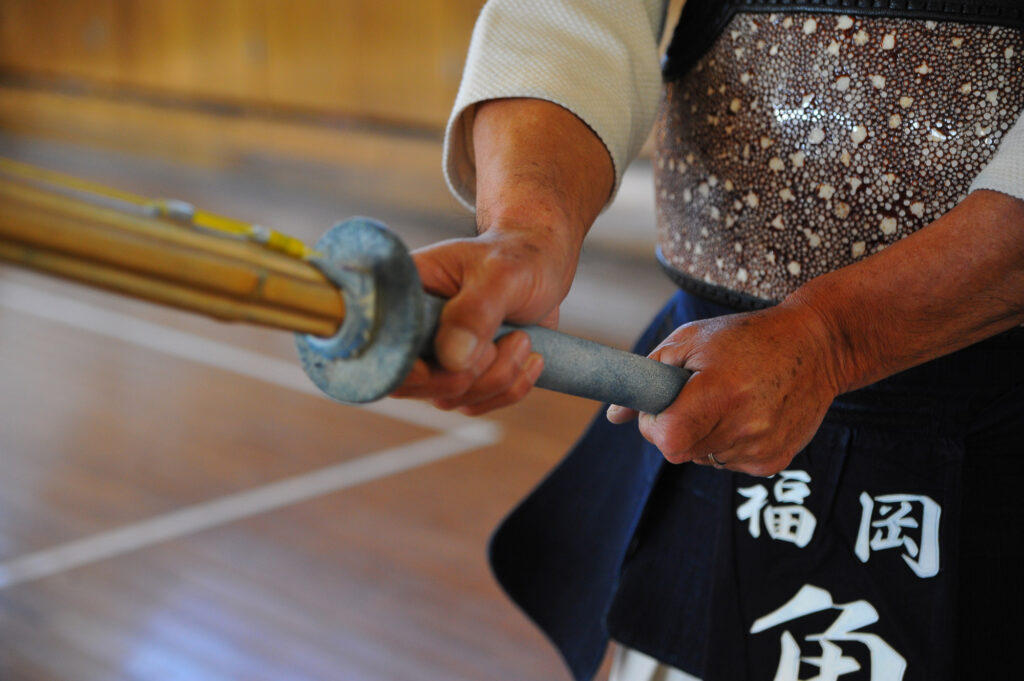
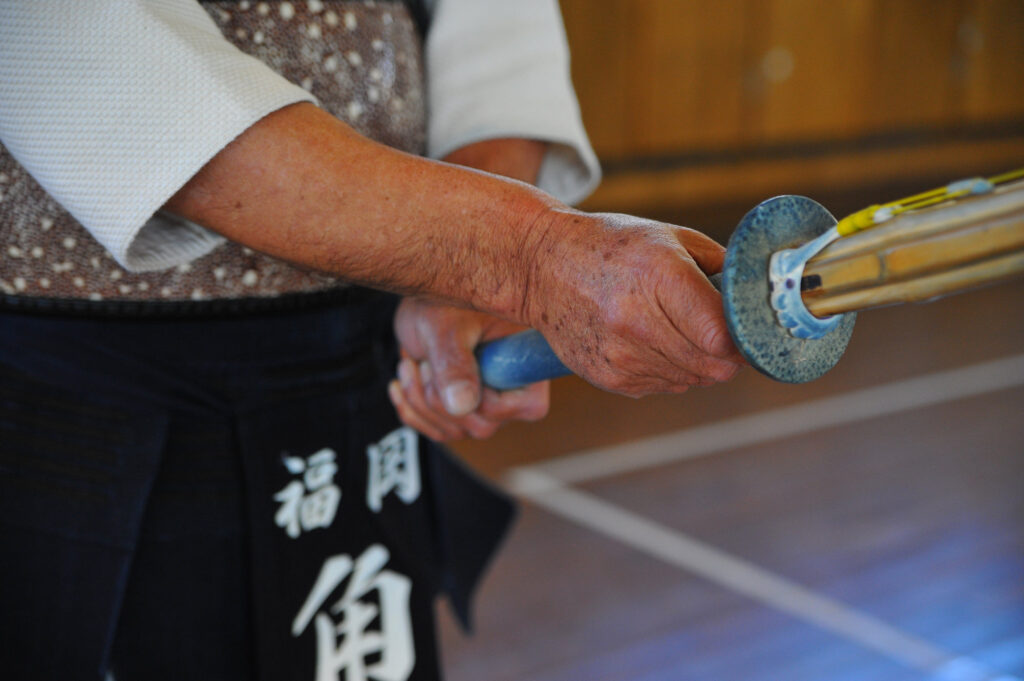
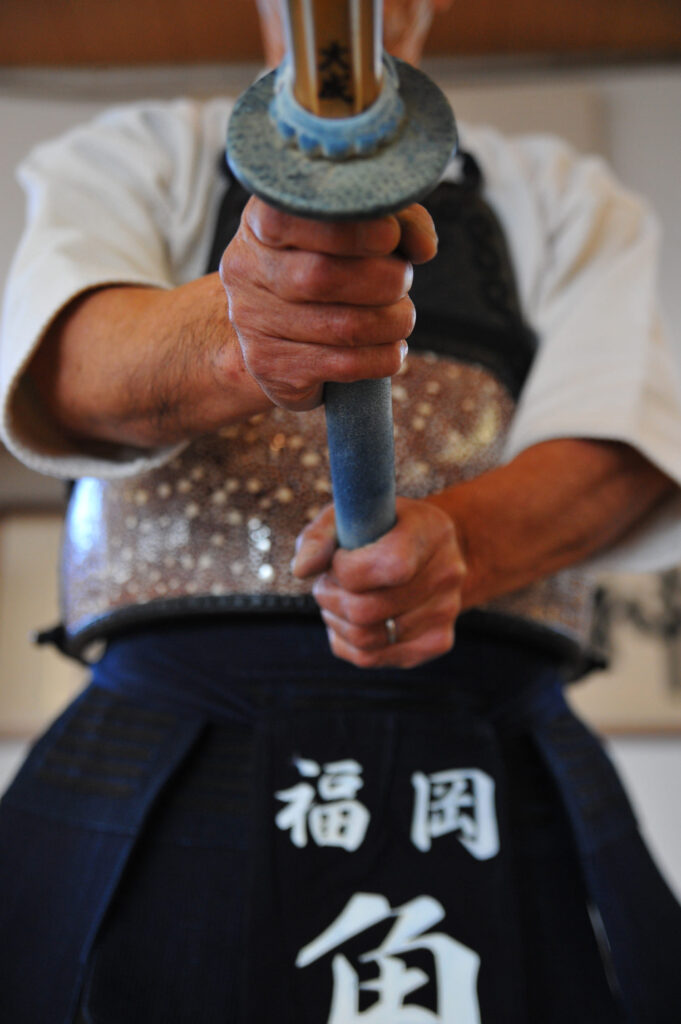
Men and Kote: Concentrating Maximum Power in the Monouchi
The rest of this article is only available for Kendo Jidai International subscribers!